Lock installation and replacement in Cleveland
New doors, worn-out locks, a break-in, or locks you just want to upgrade. We fit the right lock to the door and make sure it closes and latches like it should.
When a lock needs replacing
- It is hard to turn or the key sticks, and cleaning hasn't helped.
- The knob or lever is loose and wobbles on the door.
- The latch doesn't catch unless you lift or push the door.
- After a break-in or an attempted one, when the lock or the frame was damaged.
- Old hardware nobody makes parts for, common in older Cleveland homes.
- You want something stronger, like a better-grade lock or a deadbolt where there isn't one.
Not every hard-to-turn lock needs replacing. Sometimes the door has sagged and the latch is fighting the strike plate, which is fixed by adjusting the strike, not swapping the lock. We check that first.
Choosing the right lock for the door
Door locks are sorted into grades by ANSI and the Builders Hardware Manufacturers Association (BHMA). Grade 1 is the toughest, built for commercial doors and heavy use. Grade 2 is a good residential standard. Grade 3 is the lightest. Most hardware store locks are grade 2 or 3, which is fine for interior doors and acceptable on many entry doors when paired with a solid deadbolt.
For an entry door, the pairing that matters is a knob or lever for the latch and a separate deadbolt for security. Interior doors only need a passage set (no lock) or a privacy set (a push-button lock for a bathroom or bedroom).
Levers are easier than knobs for anyone with arthritis or full hands, and they are what businesses open to the public should have: the 2010 ADA Standards require door hardware that works without tight grasping or twisting.
Older Cleveland homes and mortise locks
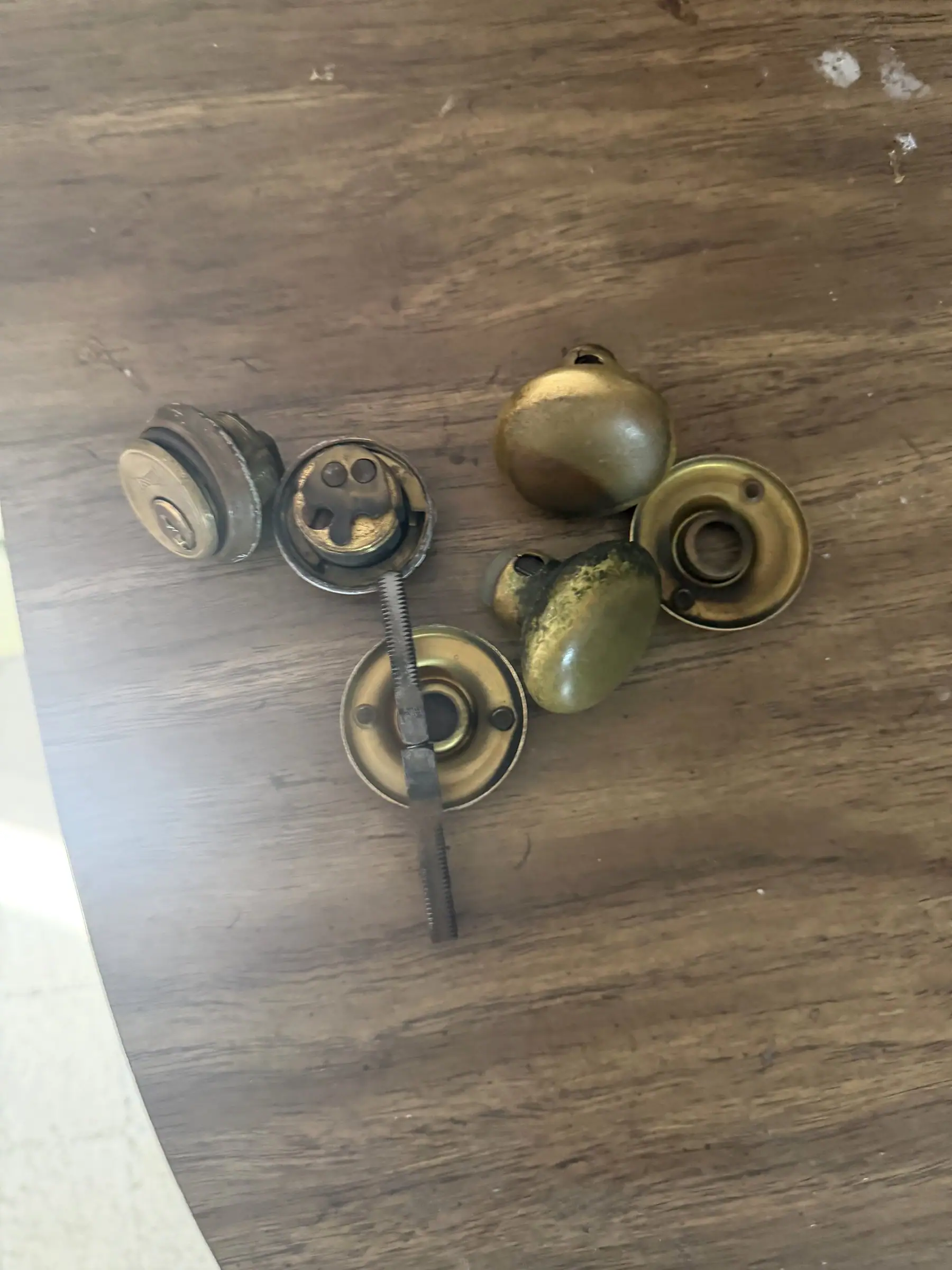
A lot of houses in Cleveland and its inner-ring suburbs were built in the first half of the last century, and many still have mortise locks: a large lock body set into a pocket in the edge of the door, with the knob, the keyhole and sometimes the deadbolt all in one unit. Some of these are worth keeping and servicing. Others are worn to the point that the parts aren't made anymore.
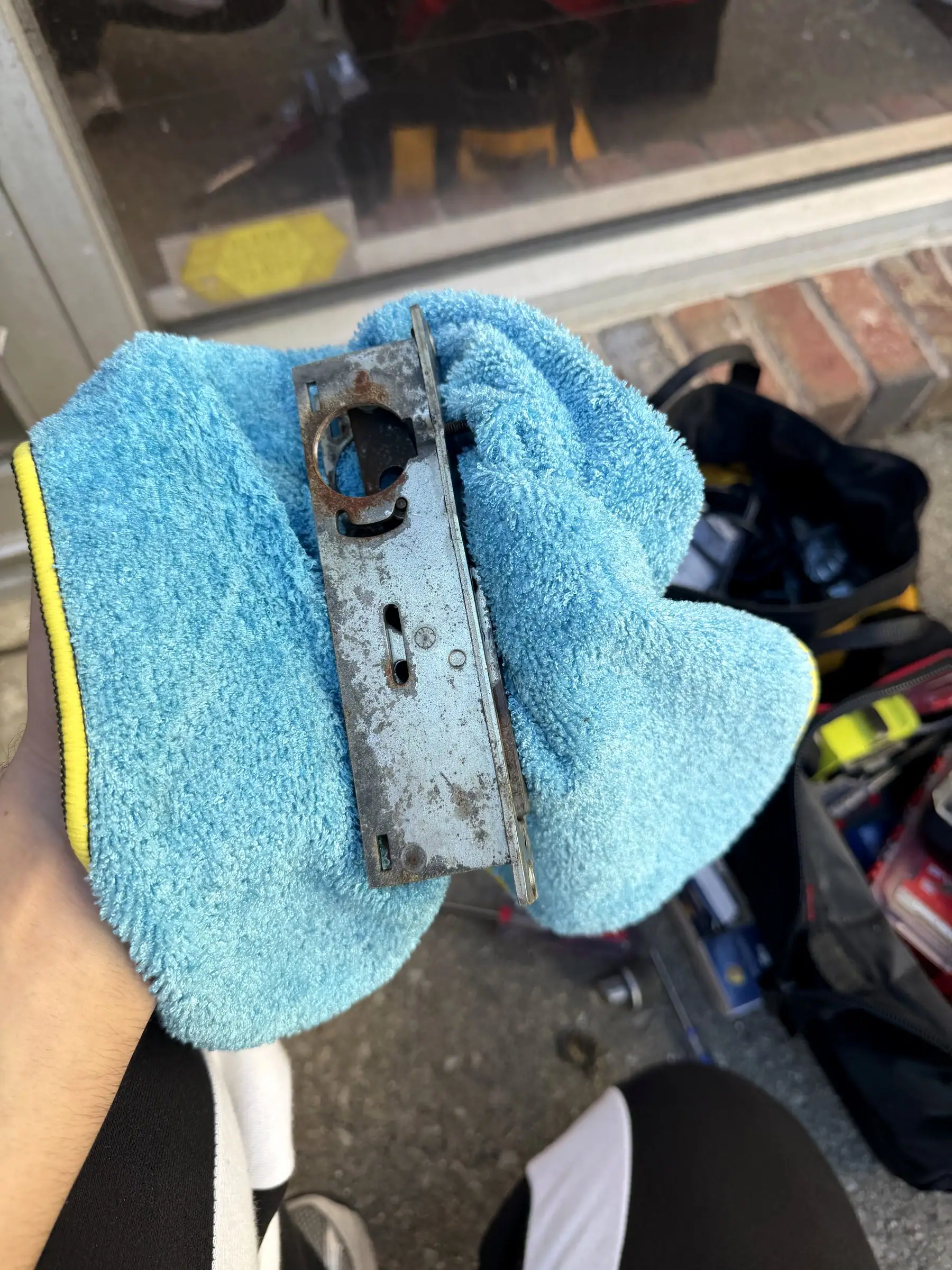
Replacing a mortise lock with a modern one can mean a new mortise body that fits the old pocket, or converting the door to a standard bored lock and deadbolt, which takes filling the old pocket and drilling new holes. We show you what fits your door before anything is cut. The rusted lock body in the photo on this page shows what decades of Ohio weather can do to the inside of a lock.
After a break-in
A kicked door usually fails at the frame, not the lock. The strike plate tears out of the soft wood of the jamb, taking a strip of the frame with it. Putting a new lock on a split frame doesn't make the door secure again.
After a break-in, the lock is replaced or rekeyed (the burglar may have found a key), the strike is reinforced with longer screws that reach the wall framing, and you are told plainly if the frame or the door needs a carpenter. Call the police first, and take photos for your insurance before anything is fixed.
Keyed alike and matched hardware
When several locks are replaced at once, they can be keyed alike so one key opens every door. New locks from the same brand can usually be matched, and existing locks can often be rekeyed to the same key if they share a keyway.
If you are buying the locks yourself, buy them all from one brand and line, and keep the receipt until they are installed. If a lock arrives damaged or is the wrong size for the door, it is easier to return before it is fitted.
What this covers
- Knobs, levers and handle sets
- Worn and broken locks
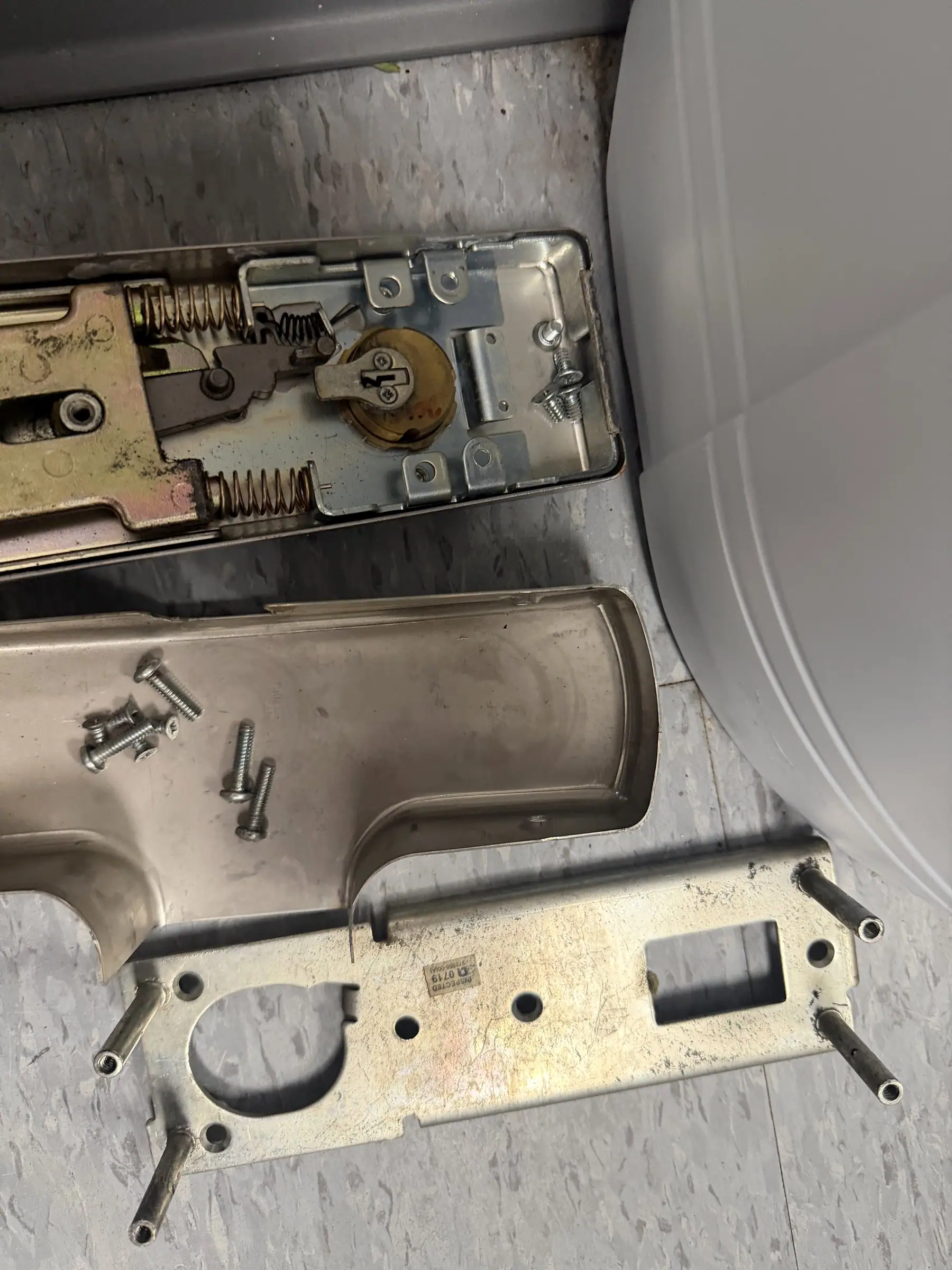
- Mortise locks
- Locks after a break-in
- Keyed alike sets
- Strike plates adjusted
How it goes, start to finish.
Call or text
Tell us what you need and how many doors. You get a free estimate before anything is booked.
We come to you
Mobile service across Greater Cleveland, with locks, cylinders and pins on hand.
Price agreed first
You hear the price and agree to it before any lock comes apart.
Done and tested
Every key tried in every lock it should open, and the door checked that it closes and latches.
What decides the price of new locks
Estimates are free, and you hear the price before any work starts. What moves it:
- The lock. Grade, brand and finish. You can supply your own or we bring them.
- The door. Doors already drilled for a standard lock are quick. Converting a mortise door or a new door that needs boring takes longer.
- How many doors, and whether you want them keyed alike.
- Repairs around the lock, like a reinforced strike after a break-in.
Lock Installation and Replacement questions.
Should I replace or rekey my locks?
Rekey if the locks are in good shape and you just need new keys. Replace if they are damaged, worn out, or you want a stronger lock.
Can I buy my own locks and have you install them?
Yes. Buy them from one brand so they can be keyed alike, and keep the receipt until they are fitted.
What grade of lock should I get?
Grade 1 or 2 for entry doors, paired with a good deadbolt. Grade 3 is fine for interior doors.
Can you replace an old mortise lock?
Yes, with a new mortise lock that fits the pocket or by converting the door to a standard lock and deadbolt.
Do you install locks on commercial doors?
Yes. See our commercial locksmith page for storefront, steel and office doors.
Other work we do.
See every service, or go back to the Evo Locksmith home page.
Deadbolt Installation
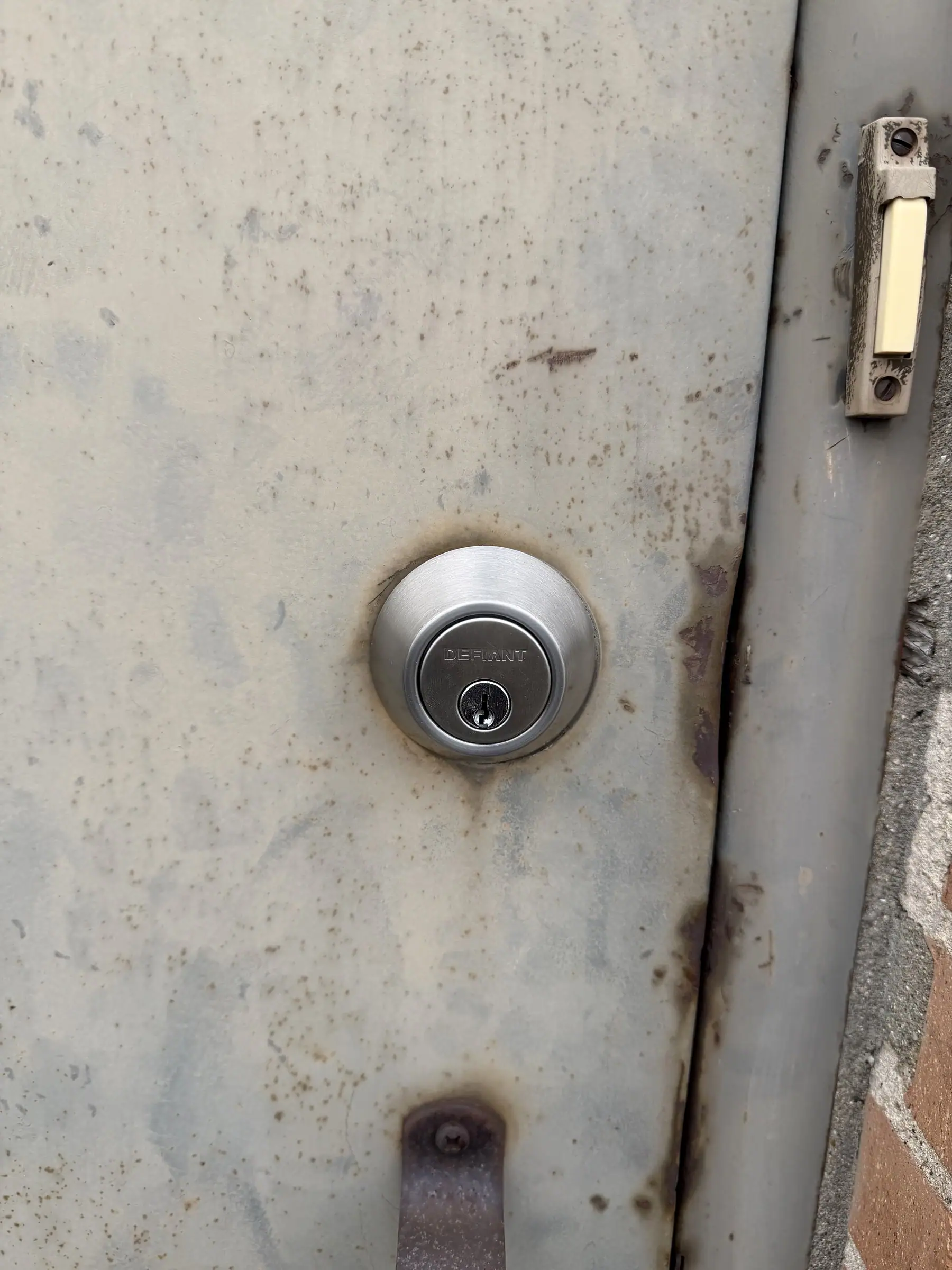
A deadbolt added or upgraded, with a strike that holds when someone kicks the door.
Learn more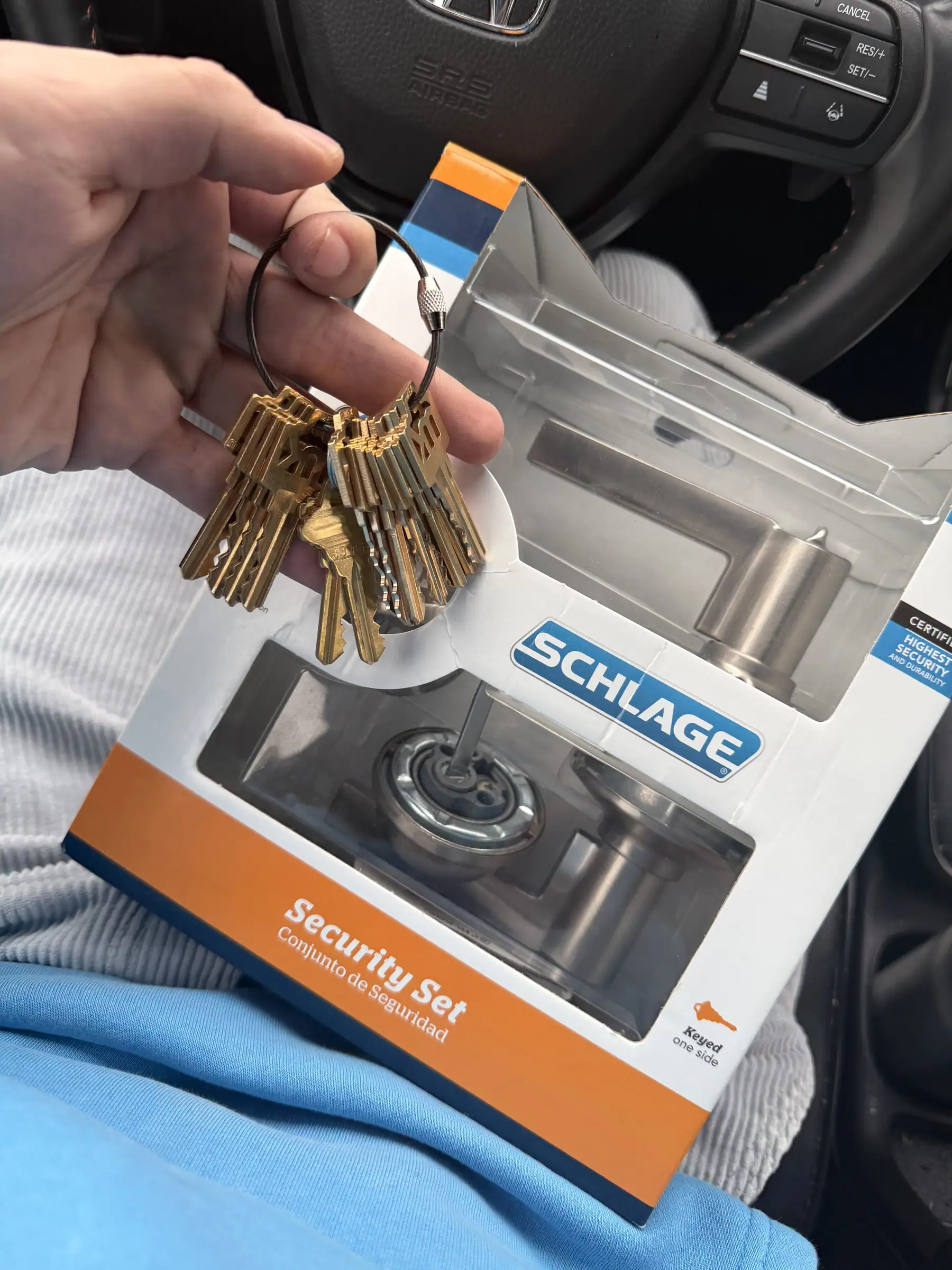
Lock Rekeying
Old keys stop working, your locks stay. For new homes, lost keys and tenant turnovers.
Learn more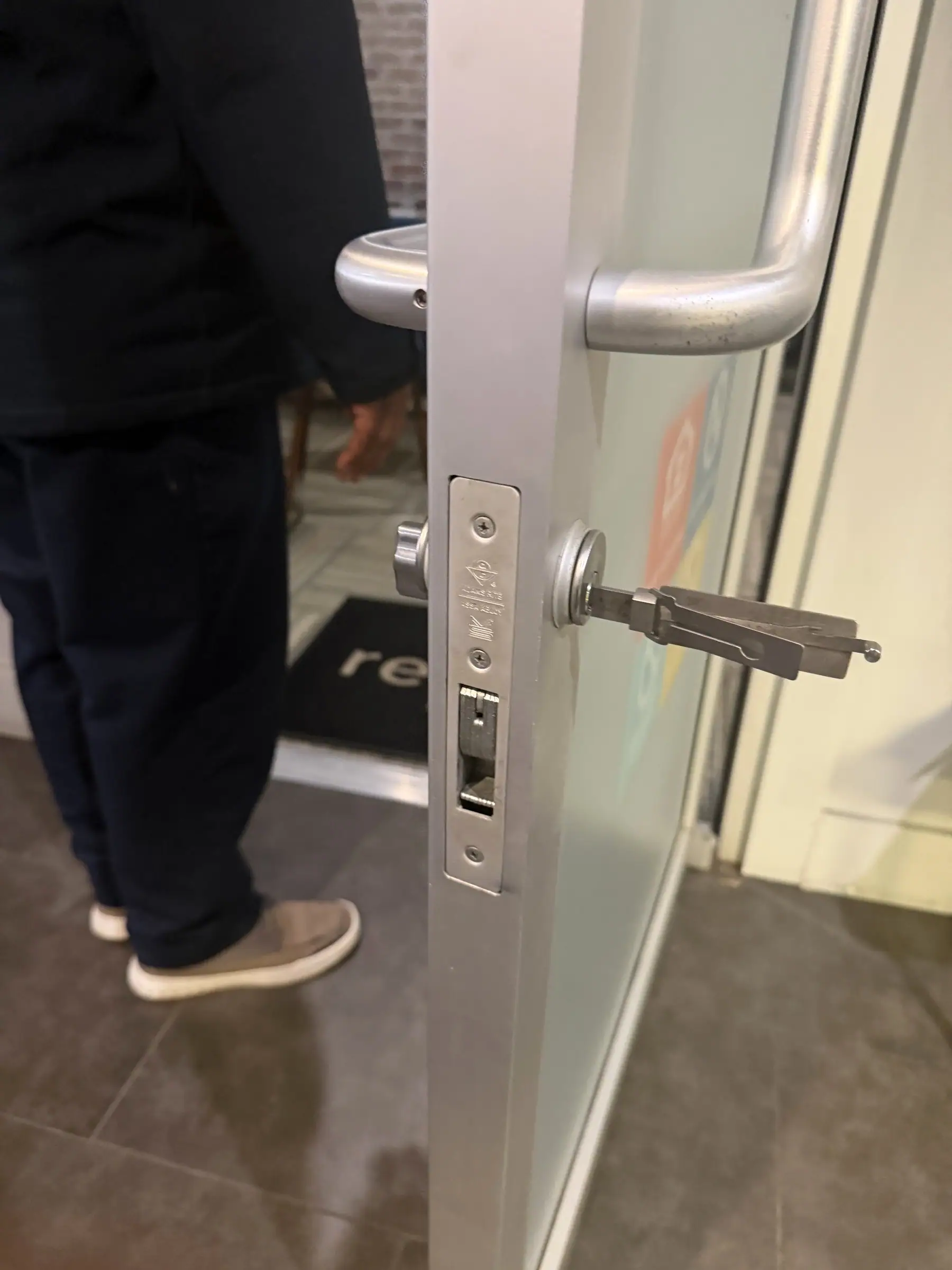
Commercial Locksmith Services
Storefronts, steel back doors, offices and mailboxes. Locks changed, rekeyed and repaired.
Learn moreLock Installation and Replacement near you: Bedford, Berea, Chagrin Falls, Cleveland Heights, East Cleveland, Highland Heights, Medina, Richmond Heights, Rocky River, Seven Hills, Shaker Heights, South Euclid and the rest of our service area.
Need lock installation and replacement?
Call, text or send the form. Every estimate is free, and you hear the price before any work starts. Locked out? Call: emergency calls are answered 24/7.
(224) 322-5857Cleveland and 36 towns around it in Cuyahoga, Lake, Geauga, Summit, Medina and Portage counties. Find your town.
Free estimate request
We’ll reach out to set up a time to look at your project.
Request sent
We’ll get back to you with a time to come out.
Need us sooner? Call or text (224) 322-5857.