The short answer
Yes. Rekey your locks the week you move in. You can’t know how many keys the sellers, their family, cleaners, contractors and agents still have. Rekeying changes the pins inside each lock so every old key stops working, costs less than new locks, and can put every door in the house on one key.
Who still has a key to your new house
When you close on a house, you get the keys the sellers chose to hand over. What you don't get is any record of the copies made over the years they lived there. In older Cleveland neighborhoods, a house may have changed hands only a few times in fifty years, and each owner handed out keys to people you will never meet.
- The sellers and their family, including grown children who moved out years ago.
- Neighbors who watered plants or let the dog out.
- Cleaners, dog walkers and sitters.
- Contractors who worked on the house before the sale, and the inspectors, appraisers and agents who came through during it.
- For new construction, the builder and every trade that needed to get in while the house was finished.
Most of those people mean no harm. The point is that you can't tell which keys are still out there, and a house that changes hands is exactly when nobody is keeping track.
Even a house sold by its original owners has this problem. Over the years, keys get copied for a teenager, a contractor, a pet sitter or a neighbor, and the sellers may not remember every one. Rekeying is the only way to be sure that the keys in your hand are the only ones that work.
What rekeying does, and what it doesn’t
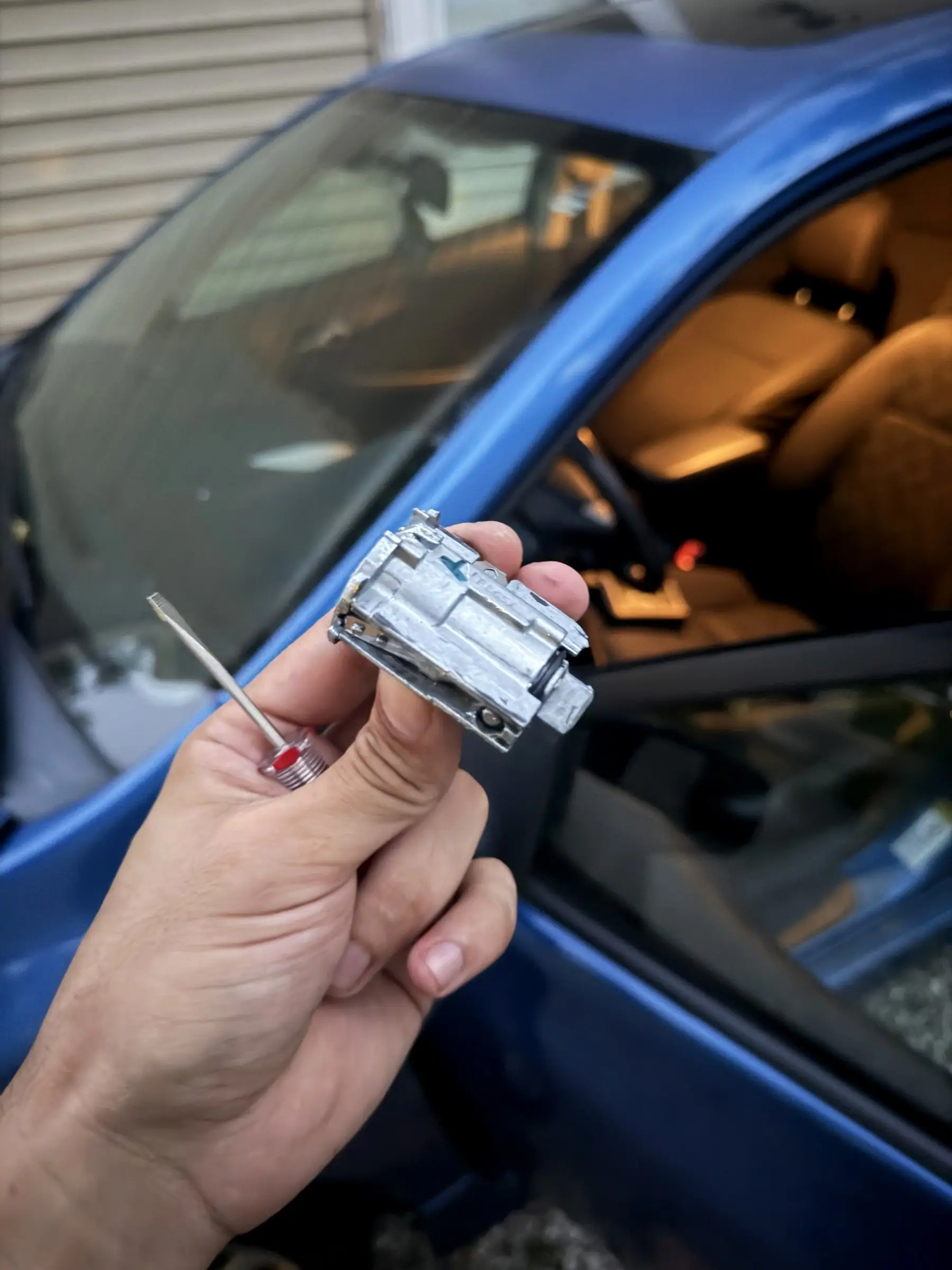
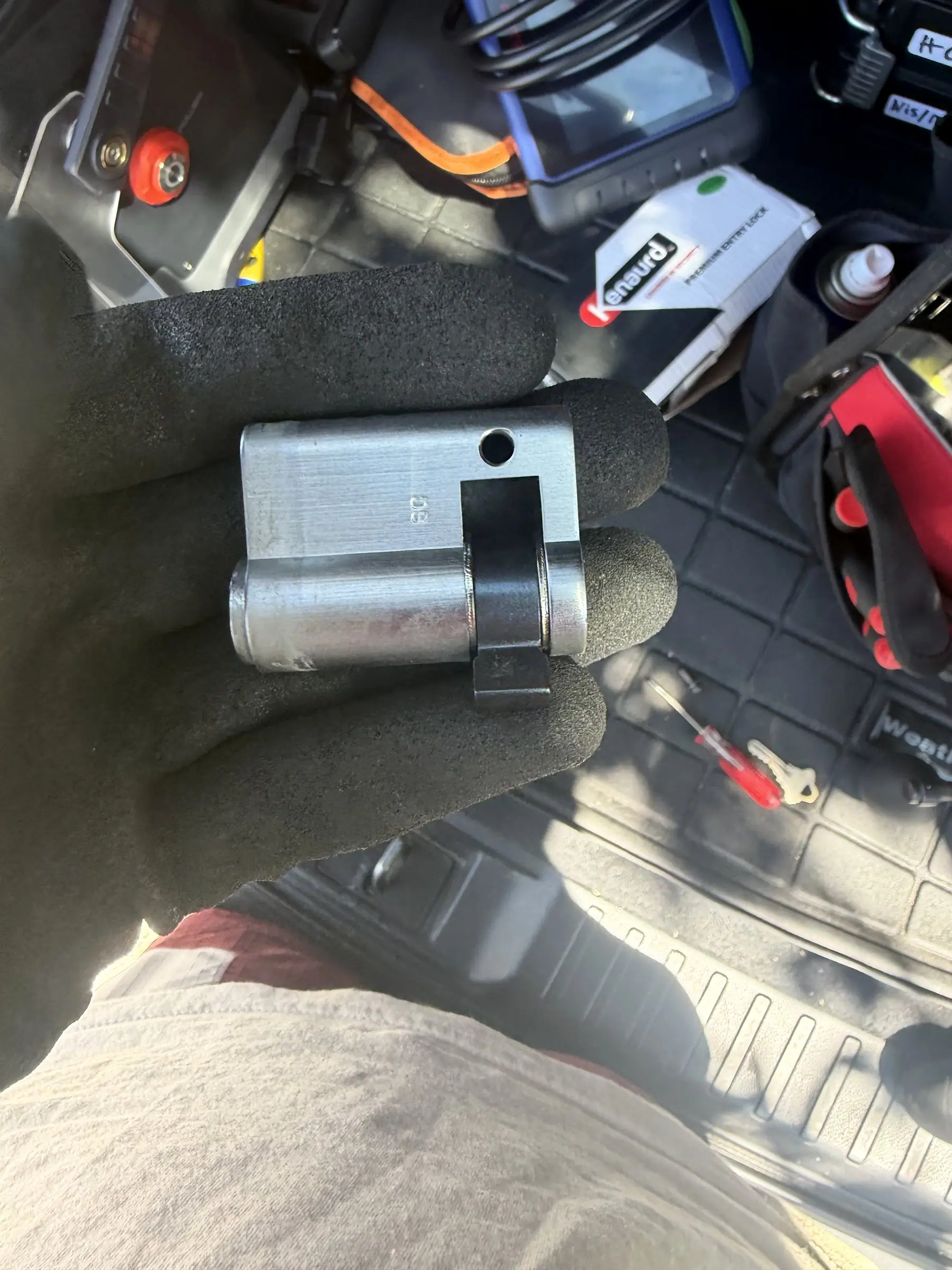
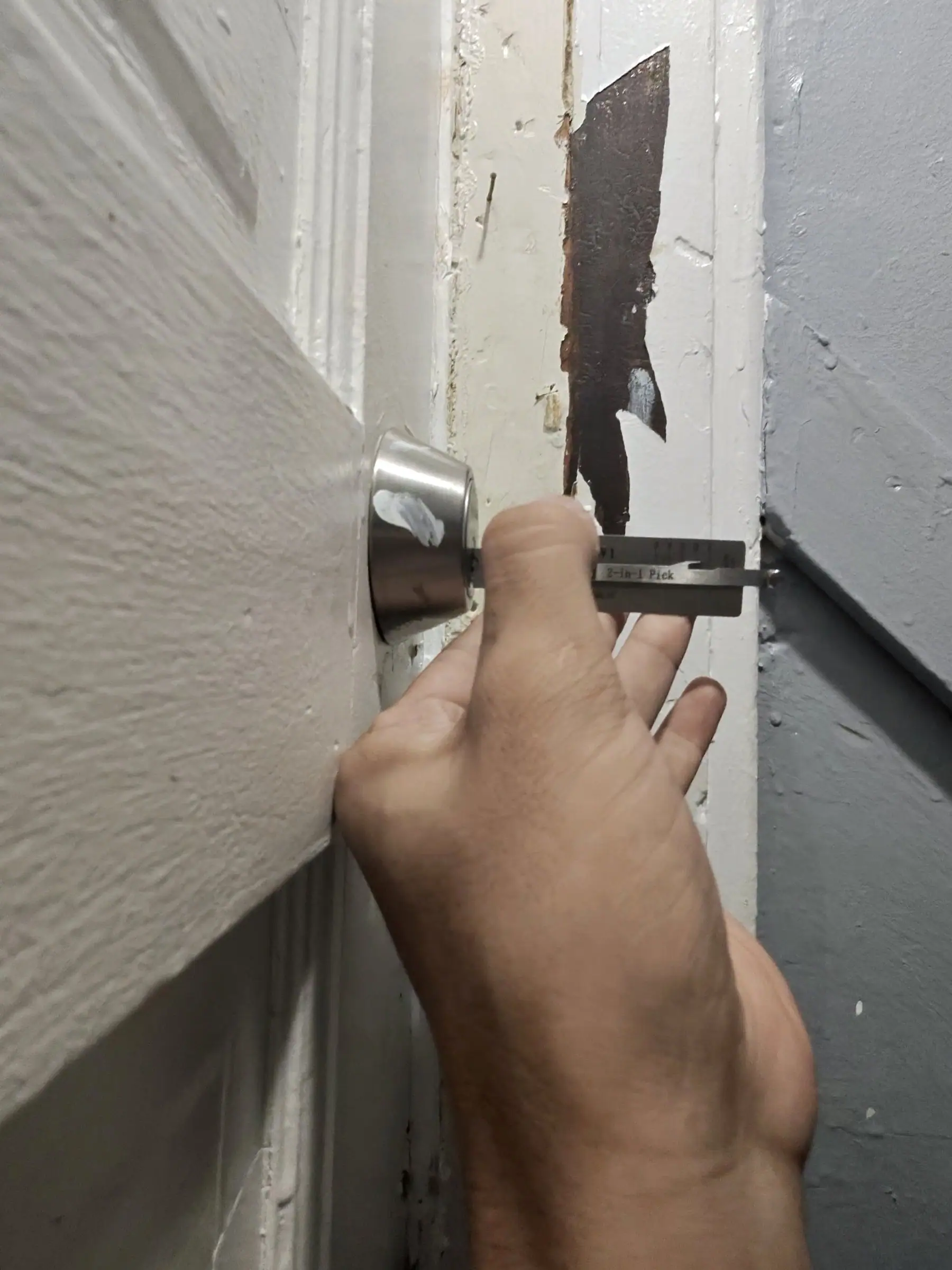
A pin lock opens when the key pushes a row of small pins inside the cylinder to exactly the right heights. Rekeying swaps those pins for a new set that matches a new key. The lock, the knob and the deadbolt stay on the door, and nothing changes from the outside, but every key cut to the old pins stops working.
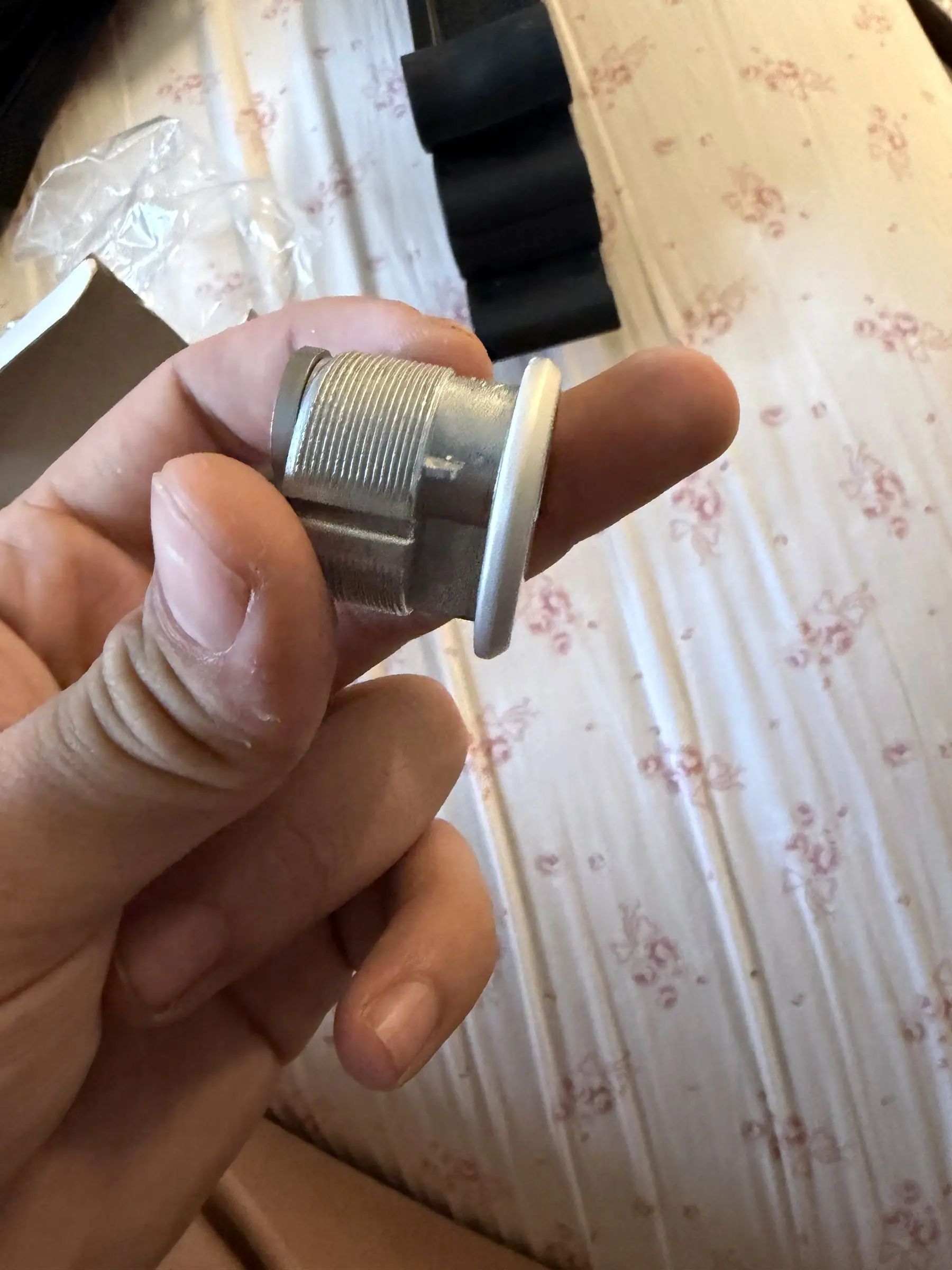
On a standard home lock, a locksmith takes the cylinder out, removes the plug, empties the old pins, loads new ones and checks the new key turns smoothly. It is a short job per lock, done at your door, and it is usually cheaper than buying new hardware.
What rekeying doesn't do is make a weak lock strong. If a deadbolt has a short bolt, a flimsy strike or a cylinder that is already worn loose, new pins won't fix that. Rekeying also does nothing for a lock that is damaged, sticky because the door sagged, or a lock brand nobody makes parts for anymore. Those are the cases for replacing.
Some newer locks can be rekeyed by the owner. Kwikset’s SmartKey locks, for example, are rekeyed with a small tool and the working key, and the company's support pages walk through it.
You bought the house. You didn’t buy a list of everyone who has a key to it.The Evo Locksmith team
Rekey or replace: how to decide
Rekey when the locks are in good shape and you simply need control of who has a key. That covers most houses.
Replace when:
- The lock is worn, loose in the door, or the key has to be jiggled.
- It is the wrong lock for the door, such as a knob lock with no deadbolt on an entry door.
- You want a stronger grade. Door hardware is graded by ANSI and the Builders Hardware Manufacturers Association: Grade 1 is the toughest, Grade 2 is a solid home standard, Grade 3 the lightest.
- You want a different look or a keypad.
Older Cleveland homes add one more case. Many houses built before the 1950s still have mortise locks, the large lock bodies set into a pocket in the edge of the door. Some are worth keeping and can be serviced and rekeyed. Others are worn past saving, and the door either gets a new mortise lock that fits the old pocket or is converted to a standard lock and deadbolt. A locksmith can tell you which you have before anything is cut. Our lock installation and replacement page covers that side of the work.
Every lock to check, not just the front door
New owners often rekey the front door and forget the rest. Walk the house and count every keyed lock:
- Front, back and side doors.
- The door from the garage into the house, which many people leave unlocked.
- The garage's side service door, and any detached garage.
- A basement walkout or cellar door.
- Storm doors with their own key.
- Sheds, gates and any padlocks the sellers left behind.
- A mailbox with a lock, if the house has one.
While you are walking around, look at how each door locks, not just whether it has a keyhole. A back or side door with only a knob lock is the one to fix first. A deadbolt with a full one-inch bolt and a strike plate held by long screws into the framing is what keeps a door shut when someone leans on it. Our deadbolt installation page explains what makes one hold.
Bring the count to the locksmith. "Six cylinders, two of them deadbolts" gets you an accurate price on the phone.
Codes, openers and the keys that aren’t keys
A modern house has as many ways in that aren't keys as ways that are, and every one of them came with the house.
Garage door openers. Every remote the sellers kept, and any car they programmed to open your garage, still works until the opener's memory is cleared. Most openers have a learn button on the motor unit that erases every remote, keypad code and car link when held; then you add back your own. Door makers like Clopay describe the process, and your opener's manual has the exact steps for your model.
Keypad locks and smart locks. Delete every user code and start fresh. On a smart lock, remove the old owner's account from the app, or factory reset the lock and set it up again under yours.
Alarm systems. Change the master code, and have the monitoring company put the account in your name.
Lockboxes. If the agent's lockbox is still hanging on a door or a hose bib, have it removed.
None of this needs a locksmith, but it belongs on the same to-do list as the locks. A rekeyed front door doesn't help much if the garage still opens for someone else's car.
One key for every door
Moving in is the best time to get rid of the ring of keys that all look alike. When locks share a keyway, a locksmith can rekey them all to one key during the same visit.
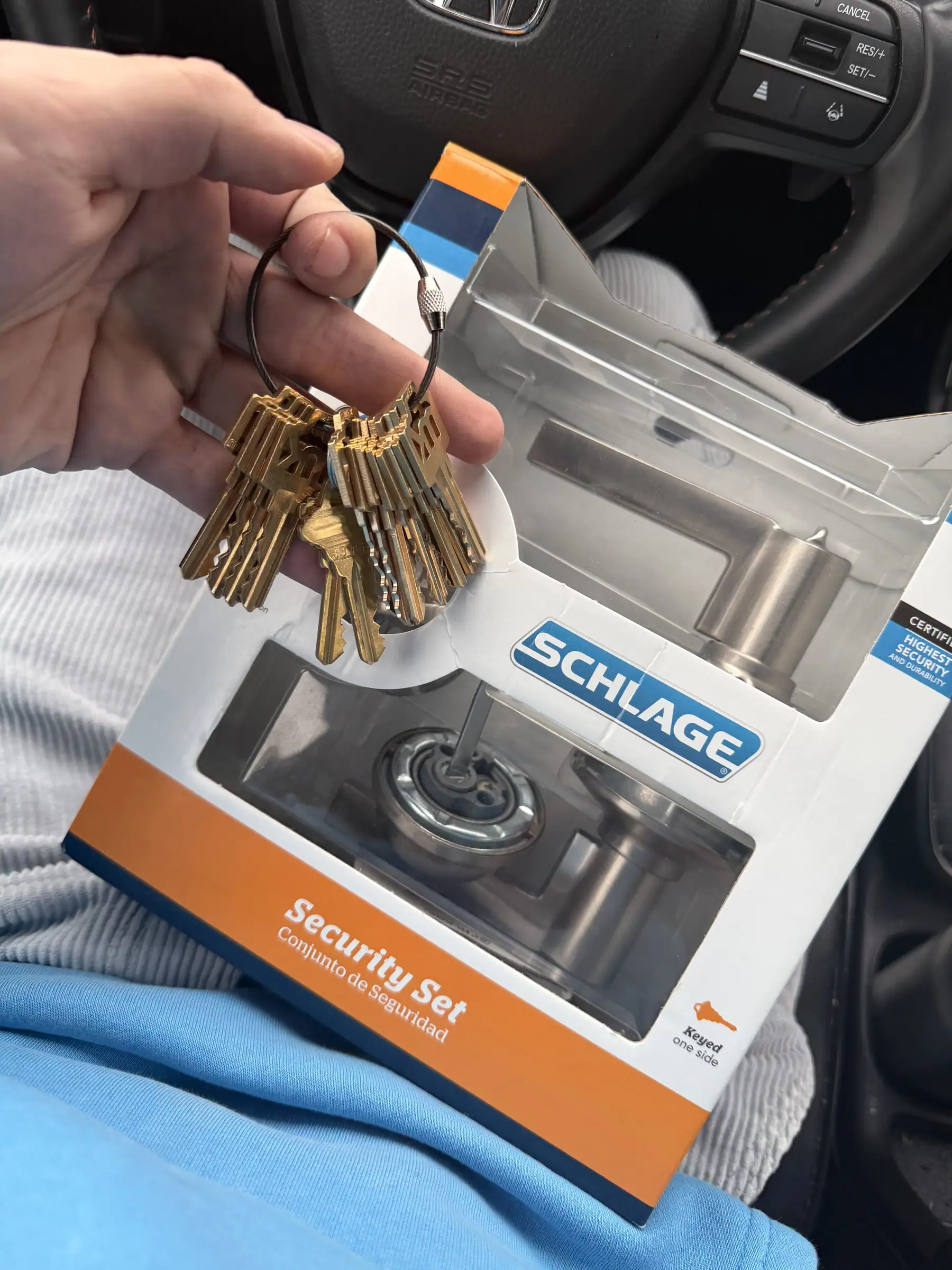
The catch is brands. Kwikset and Schlage, the two names on most American front doors, use different keyways, so a Kwikset lock and a Schlage lock can't share a key as they are. One or two cylinders can be swapped to bring the house onto one keyway, or the odd lock replaced to match. Schlage’s support pages and Kwikset's both list which of their products can be rekeyed.
Ask about it when you call. Telling the locksmith the brands on each door saves a second trip.
A note on double-cylinder deadbolts
Some older Cleveland houses have deadbolts that need a key on both sides, often on doors with glass beside the lock. They stop someone breaking the glass and turning the thumb turn, but they also mean a key is needed to get out in a fire. Ohio builds homes under a residential code based on the International Residential Code, which expects an exit door that opens from inside without a key. If you are thinking of keeping or adding one, talk it through with a locksmith first.
What rekeying a house costs depends on
Rekeying is priced by the lock, so the size of the house matters less than the number of keyholes. These are the things that move the price.
- How many cylinders. Every knob, lever and deadbolt with a keyhole is one. A typical house has more than people expect once the garage and side doors are counted.
- The kind of lock. Standard knob locks and deadbolts are quick. Mortise locks, high-security cylinders and some keypad deadbolts take more work.
- Matching brands. Putting a mix of Kwikset and Schlage locks on one key may need a cylinder or two changed.
- Whether you have the old keys. A lock that can be turned with its key comes apart quickly. Without one, it takes longer.
- Extras on the same visit. A new deadbolt on a door that only has a knob, or a reinforced strike plate, are quoted separately before they are done.
Rekeying is usually cheaper than buying new locks for every door, which is why it is the standard advice for new owners. When a lock is worn or too weak for the door, replacing that one lock with a stronger grade, graded by the Builders Hardware Manufacturers Association, is money better spent than new pins.
Before the locksmith comes
A little preparation makes the visit shorter and the price easier to pin down.
- Gather every key the sellers gave you, labeled if you can tell which door each one fits. They help the locksmith get the cylinders out without drilling.
- Count the cylinders and note the brand on each lock.
- Decide on one key or several. Some families want the garage and the house on one key and the shed on another.
- Decide how many keys you want cut. One per adult, a spare in a drawer and one for someone you trust is a common set.
- Look for doors without deadbolts, so they can be added on the same visit.
If you just bought in Cleveland Heights, Shaker Heights, Lakewood or one of the older inner-ring suburbs, expect some original hardware. Our Cleveland Heights and Shaker Heights pages describe the doors and locks common in those cities. Our lock rekeying page covers the job itself.
Finally, plan who gets the new keys. Hand them out to the people who need one, keep a spare somewhere safe, and write down how many were cut. The point of rekeying is knowing exactly who can open your door, and that only holds if you keep track from day one.
Questions people ask
Is rekeying cheaper than replacing locks?
Usually, yes, because the locks stay on the doors and only the pins change. Replacing makes sense when a lock is worn, weak or damaged.
How long does it take to rekey a house?
Each standard cylinder is a short job. A typical house with several doors is usually done in one visit.
Can I rekey a lock without the original key?
A locksmith can, though it takes longer. Having the old keys makes it quicker.
Do I need to rekey a brand new house?
Yes. Builders’ keys pass through many hands before closing.
Should I change the garage door opener codes too?
Yes. Clear the opener’s memory so old remotes and car links stop working, then add your own.