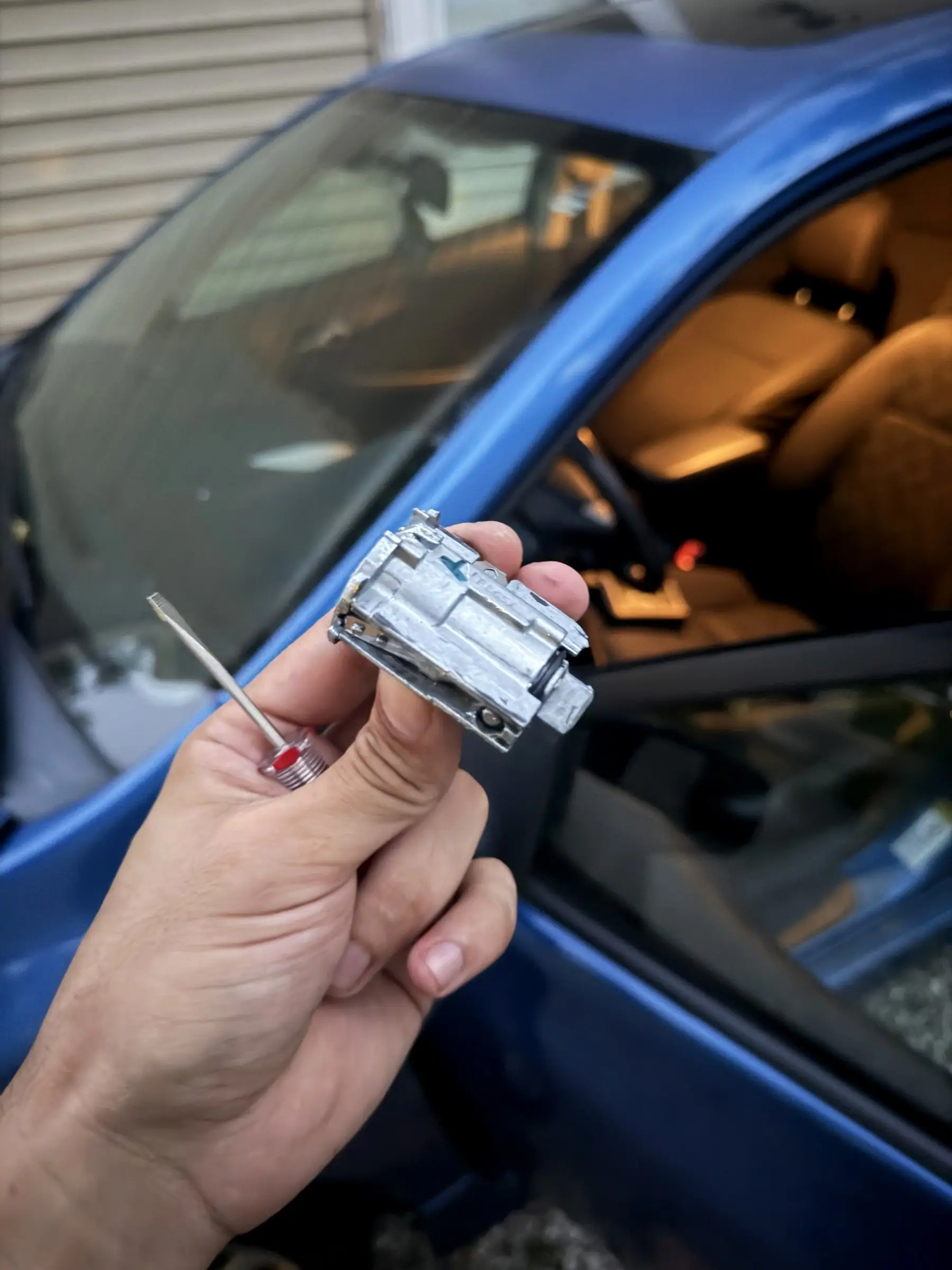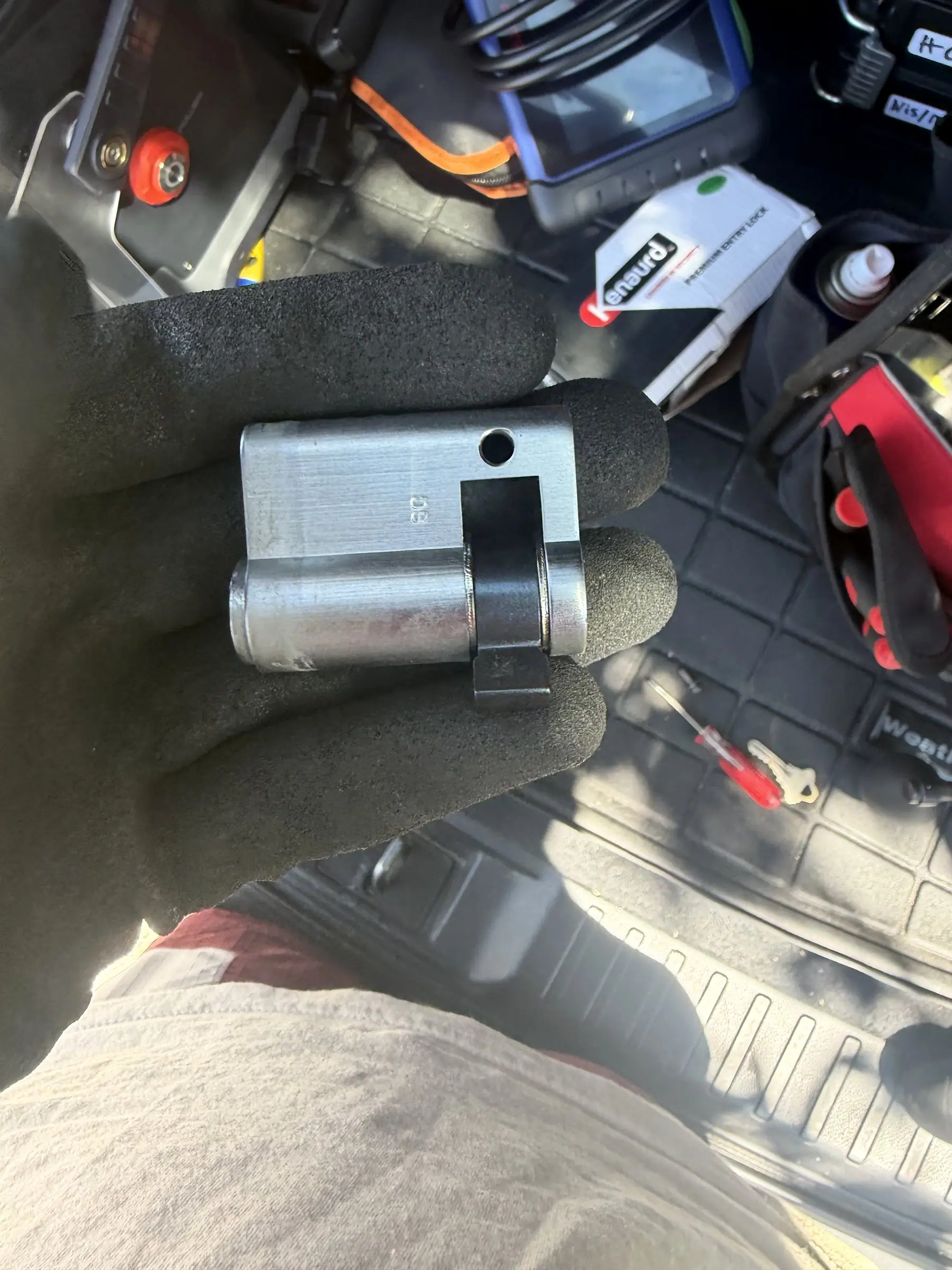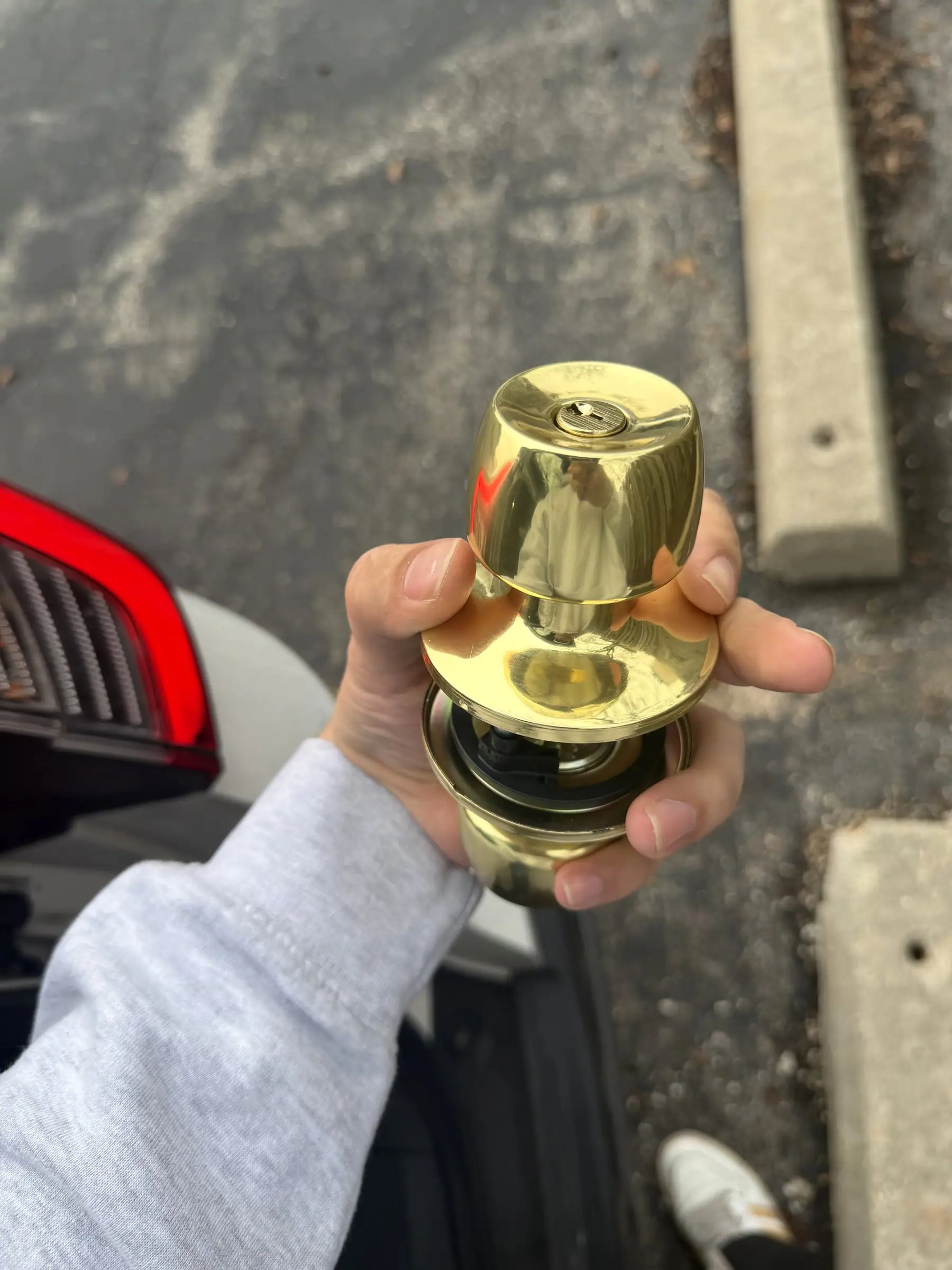
The short answer
In Ohio, a residential landlord can’t change the locks to force a tenant out; taking the home back requires a court eviction, under Ohio Revised Code 5321.15. A tenant locked out that way has the right to get back in. Tenants who want to change locks themselves should check the lease first, since landlords have a right of entry with notice.
The rule: no lockouts without a court
Ohio's landlord and tenant law makes it illegal for a residential landlord to take back a rental by locking the tenant out. Ohio Revised Code 5321.15 bars a landlord from trying to recover possession by excluding the tenant from the premises, cutting off utilities or services, or threatening to do any of it. The only lawful way to remove a tenant who won't leave is an eviction through the courts.
That rule holds whatever the reason: late rent, a dispute over damage, or a tenant the landlord simply wants gone. Ohio Legal Help, the state's legal aid information site, puts it plainly: a landlord isn't allowed to change your locks or shut off your utilities to force you out, and it is against the law even to threaten it.
The law has teeth. Under section 5321.15, a landlord who violates it is liable to the tenant for damages, plus reasonable attorney's fees. For landlords, a lockout that seems like a shortcut can cost far more than the eviction it was meant to avoid.
The rule covers residential rentals. Commercial leases work differently, which the last section of this post explains.
If your landlord changed the locks on you
Ohio Legal Help says a tenant whose landlord changed the locks has the right to get back in, even if the rent is late, and that calling a locksmith is a reasonable way to do it. The police can also help, especially when the lockout puts someone in danger, such as a home with no heat in winter.
Either one will want proof that you live there. Ohio Legal Help lists the kinds of proof that work:
- A copy of your lease.
- A utility bill in your name at that address.
- A photo ID with your name and the address.
A locksmith asks for that proof for the same reason anyone would: the person standing at the door has to be the person who lives there. We open locked-out tenants' homes with that proof and, if the lock was changed illegally, we can fit a new cylinder so you have a working key. Our house lockout service page explains how a locked door is opened without damage.
For the legal side, contact legal aid. In Greater Cleveland, the City of Lakewood’s landlord and tenant page points tenants to the Legal Aid Society of Cleveland's tenant information line.
In Ohio, the locks don’t decide who lives in a rental. The court does.The Evo Locksmith team
What Ohio landlords owe tenants on safety and repairs
Ohio law doesn't have a section that says "landlords must rekey between tenants". What it does have is a set of general duties in Ohio Revised Code 5321.04, and working locks fall naturally under them.
Among other things, that section requires a residential landlord to comply with building, housing, health and safety codes, to make all repairs and do whatever is reasonably necessary to keep the premises fit and habitable, and to keep common areas safe and sanitary. An entry door that won't lock, a broken deadbolt or a building door that doesn't latch is the kind of problem those duties cover. Local housing codes may say more; check your city's.
The same section limits how a landlord enters. Except in an emergency, a landlord must give reasonable notice and enter at reasonable times, and the law presumes 24 hours to be reasonable notice unless shown otherwise. Holding a key isn't the same as having the right to use it whenever.
Changing the locks as a tenant
Tenants change locks for good reasons: a roommate left with a key, a previous tenant's keys were never collected, a break-in, or a relationship that ended badly. Ohio's statute doesn't speak directly to a tenant changing the locks. Two things matter instead.
The lease. Most leases say whether a tenant may change or add locks and whether the landlord must get a copy of the key. Read yours before calling anyone.
The landlord's right of entry. Under Ohio Revised Code 5321.05, a tenant may not unreasonably withhold consent for the landlord to enter to inspect, make repairs or show the unit. Changing the locks and refusing to hand over a key can run into that duty.
The simplest path is usually to ask. Many landlords will agree to a rekey, sometimes at the tenant's cost, as long as they get a key afterward. When safety is the reason, put the request in writing and keep a copy. We can rekey a unit's locks and cut a key for the landlord on the same visit, which keeps everyone on the right side of the lease.
Rekeying between tenants
For landlords, rekeying every unit between tenants is cheap insurance. The departing tenant may return every key they were given, but there is no way to know how many copies were made, or who else they lent one to. A burglary by someone using an old key is the kind of incident that leads to hard questions about why the locks weren't changed.
Rekeying swaps the pins inside each cylinder so the old keys stop working, while the locks stay on the doors. It is much cheaper than buying new hardware for every turnover, and a unit's front door, back door and deadbolt can be keyed alike so the new tenant carries one key.
If you manage several units, plan the rekey for the day between move-out and move-in, and keep a simple record of which key fits which unit. Our lock rekeying page explains the job, and our Lakewood page covers the up-and-down doubles common in that city.
Rekeying also helps when a tenant reports lost keys partway through a lease. Rather than hoping the keys are gone for good, the unit's cylinders can be rekeyed and new keys cut the same day, with the cost handled however the lease says.
Mailboxes, common doors and shared keys
In a building with more than one unit, the unit door is only one of the locks a departing tenant had a key to.
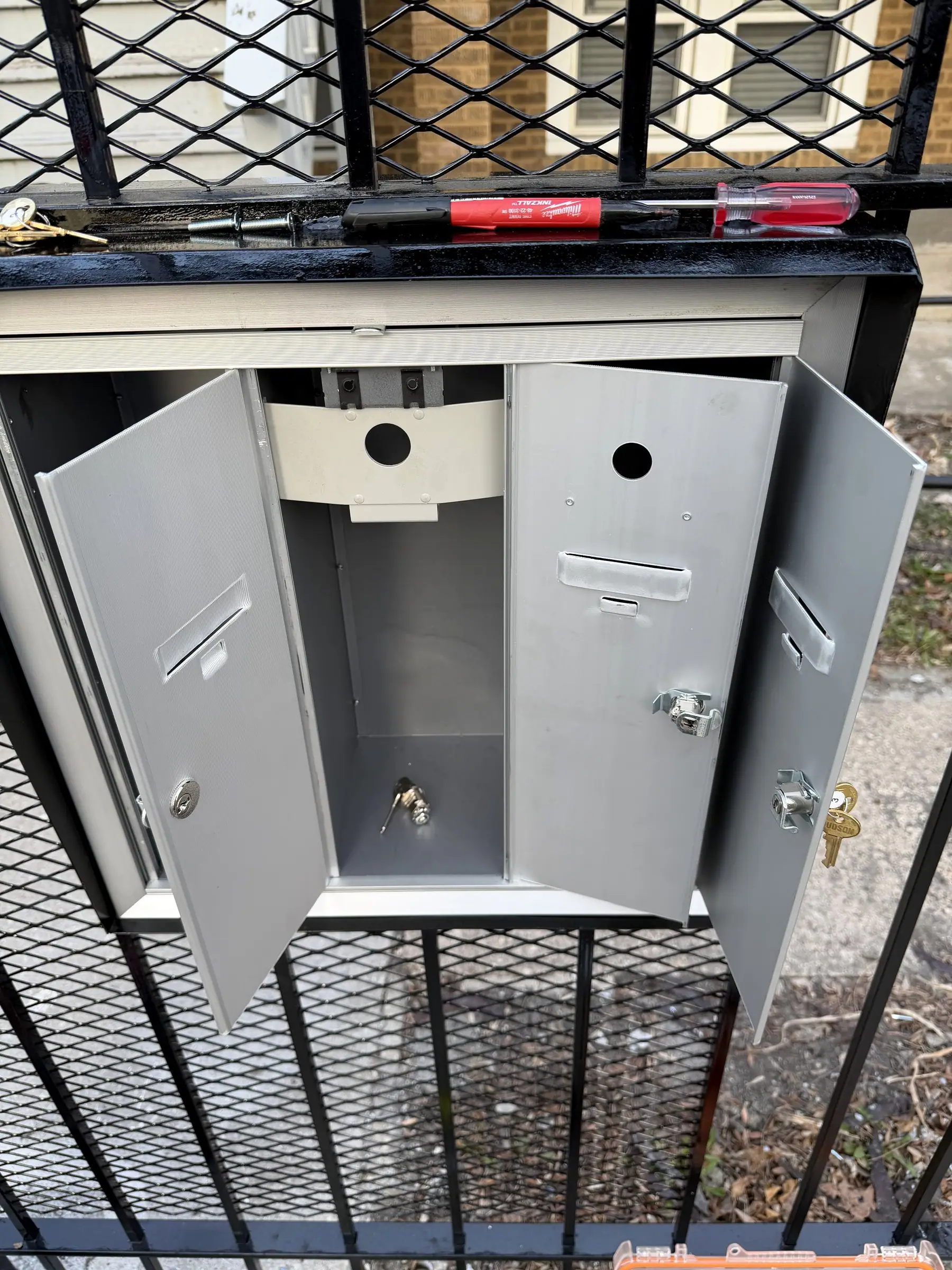
- Mailbox locks. A former tenant who kept a mailbox key can read the next tenant's mail. Mailbox locks are small and quick to change.
- Building entry doors. If every tenant has the same key to the front door, every former tenant does too. Rekeying the entry door on a schedule, or when a tenant leaves on bad terms, keeps it under control.
- Laundry rooms, storage cages and basements. Often forgotten, often holding tenants' property.
- Keypad and code locks. Change the code when someone leaves, the same way you would rekey a lock.
A building where every key is accounted for is easier to manage and safer to live in. A locksmith can rekey unit doors, common doors and mailbox locks in one visit.
A key log helps here as much as with unit doors. List every common key, who holds it and when it was issued. When a tenant leaves, the log shows which locks their keys opened, and whether those locks need rekeying before the next tenant arrives.
Who pays for lost keys and rekeying
Ohio's statute doesn't set who pays for a rekey or a lost key. The lease usually does. Many leases charge tenants for keys they lose or don't return, and some charge a set fee for rekeying at move-out. Read yours before move-out so there are no surprises.
Charges like these often come out of the security deposit. Under Ohio Revised Code 5321.16, a landlord who keeps any part of a deposit has to give the tenant an itemized list of the deductions, delivered with any money owed back within thirty days after the lease ends and the tenant gives up possession. The tenant has to provide a forwarding address in writing for the list to reach them.
For landlords, the cleanest approach is a written key policy in the lease: how many keys each tenant gets, what a lost key costs, and that the unit is rekeyed between tenants. Keep a simple log of which keys went to whom. When a tenant returns every key, the log shows it; when one is missing, the deduction is easy to explain.
For tenants, return every key you were given, including mailbox and building keys, and ask for a receipt. If you rekeyed with permission during the lease, hand the landlord the new keys at move-out too.
Commercial leases work differently
Ohio's landlord and tenant chapter, including the lockout ban in 5321.15, is written for residential rentals; section 5321.01 defines the terms it uses around residential premises. Commercial leases are governed largely by what the lease itself says.
That means a commercial landlord may have rights that a residential landlord doesn't, depending on the lease and the circumstances. A Cincinnati law firm's overview of commercial lockouts in Ohio walks through the issues. If you are a business owner facing a lock change, or a commercial landlord considering one, talk to a lawyer before anyone touches the locks.
For the day-to-day side, business tenants and property managers call us for the same reasons as landlords: rekeying when staff change, fixing storefront locks that won't latch and handling lockouts before opening. Our commercial locksmith page covers that work.
Business tenants should read the lease's default and access clauses before trouble starts, so they know what the landlord can and can't do. Commercial landlords should do the same before changing a lock, because a lockout that the lease doesn't allow can create its own liability. In both cases, a lawyer who handles commercial leases in Ohio is the right person to ask, not a locksmith.
Questions people ask
Can a landlord in Ohio change the locks if I don’t pay rent?
Not on a residential rental. Ohio Revised Code 5321.15 bars lockouts; the landlord has to go through a court eviction.
Can I change the locks on my apartment in Ohio?
Check your lease first. Landlords have a right of entry with notice, so most leases expect the landlord to have a key.
Does an Ohio landlord have to rekey between tenants?
Ohio law doesn’t say so in those words, but landlords must keep the premises safe and in repair, and rekeying between tenants is the common practice.
How much notice does an Ohio landlord have to give before entering?
Reasonable notice, except in emergencies. The law presumes 24 hours to be reasonable.