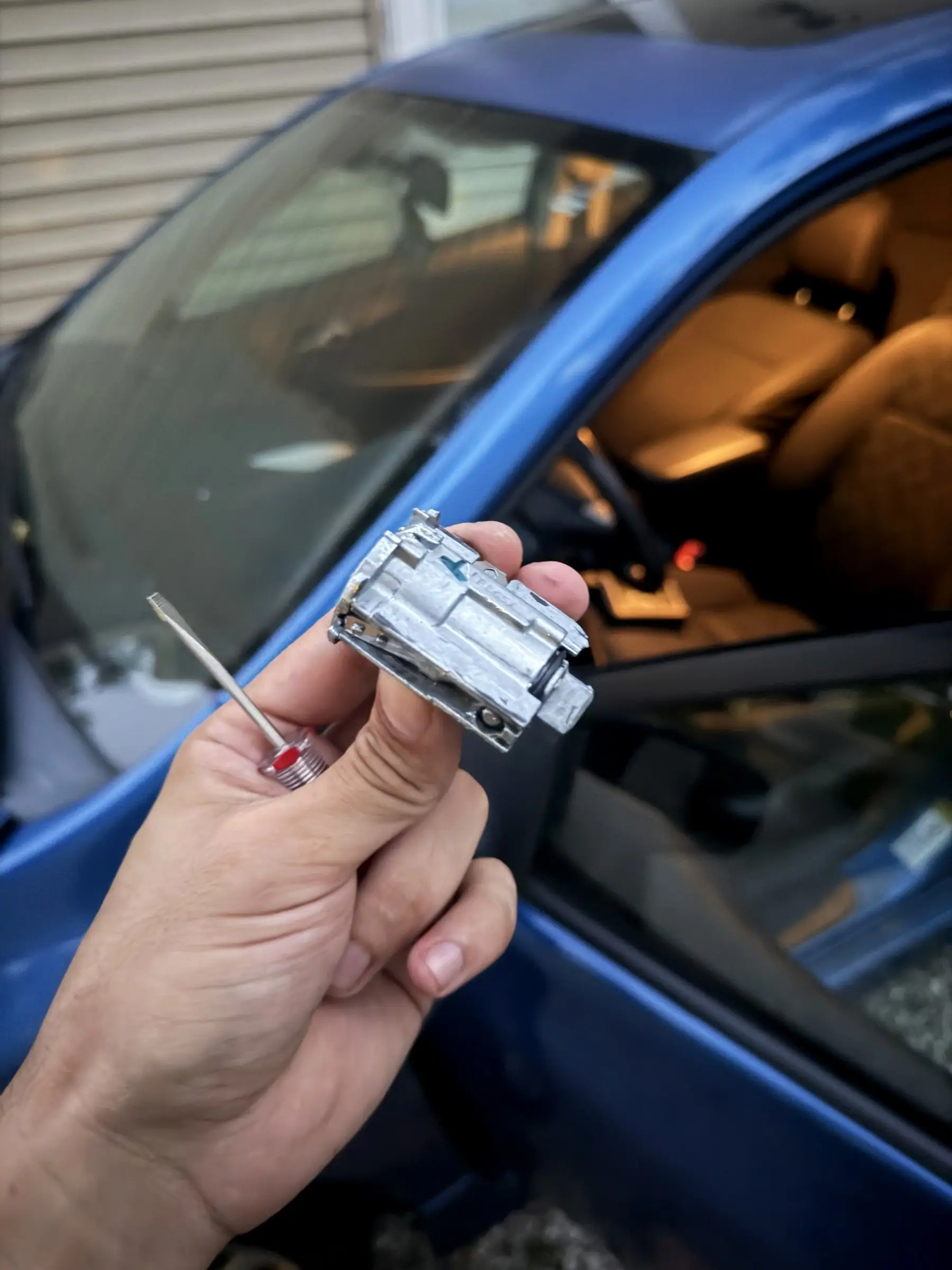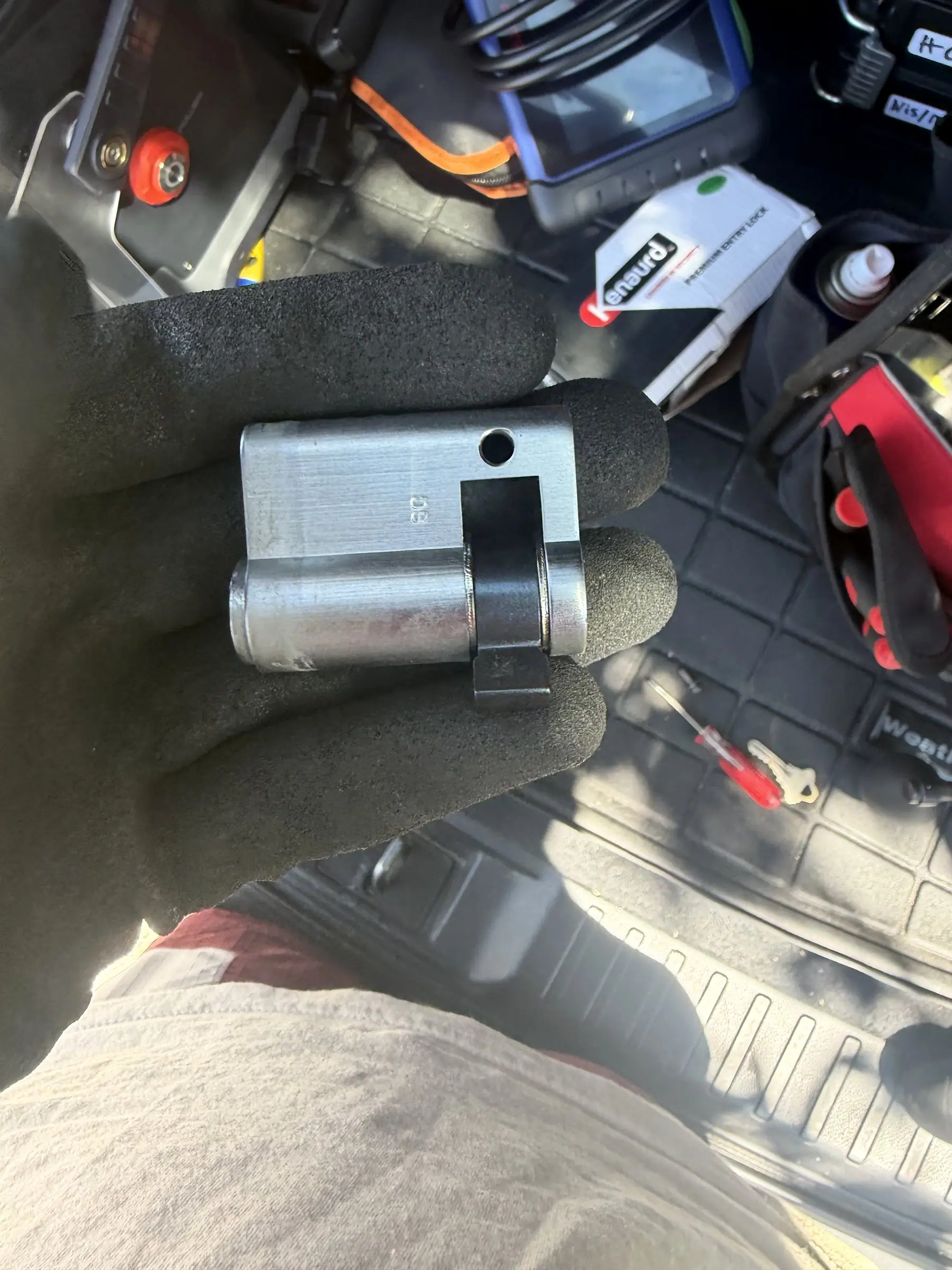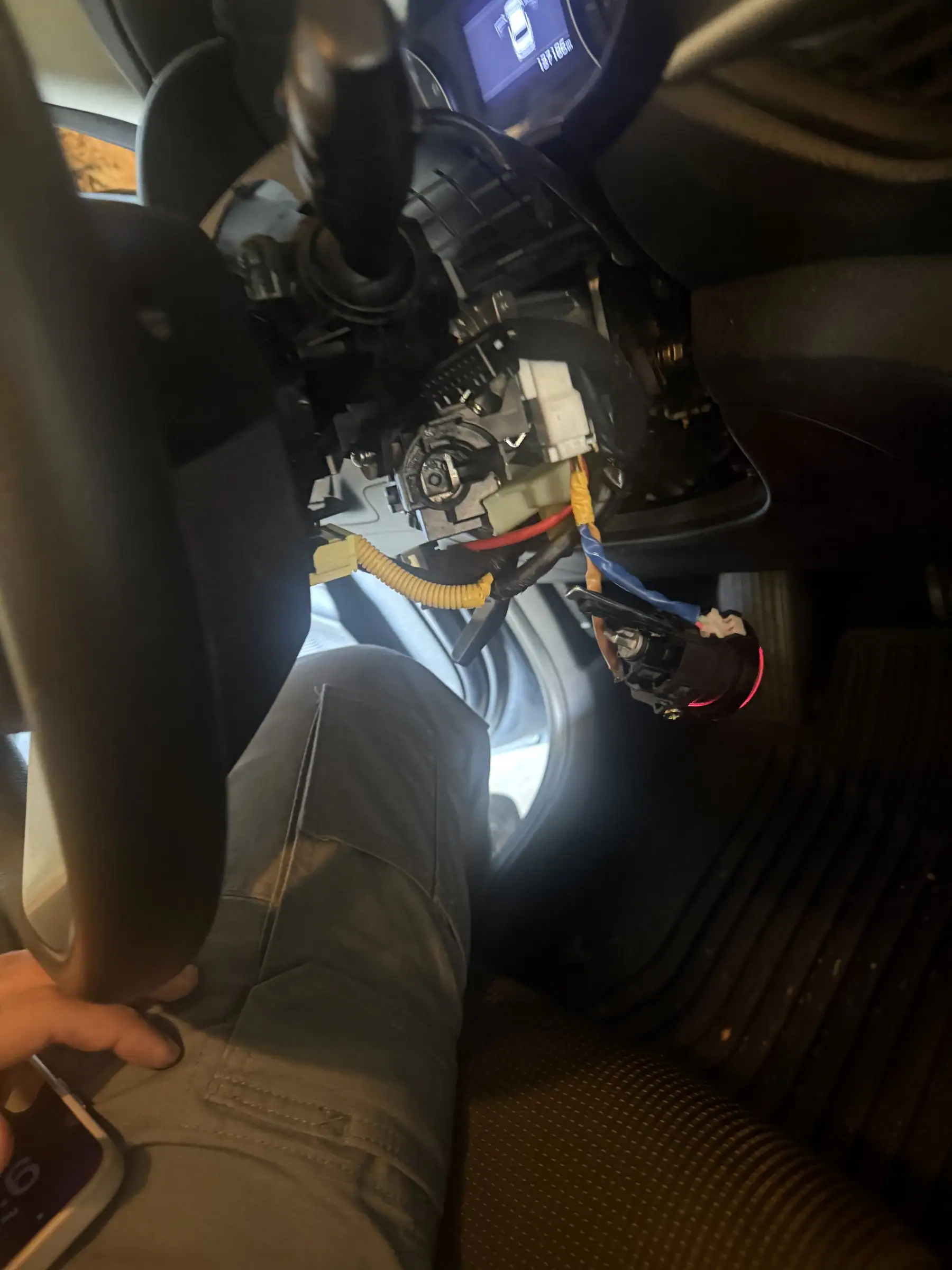
The short answer
Cold weakens the small coin battery inside a key fob, so a battery that was already getting weak often quits on the first freezing mornings. Replace the battery first. To get going now, use the metal key hidden in the fob on the driver’s door, then hold the fob against the start button or put it in the backup slot.
Why fobs and batteries struggle in the cold
Every battery is a chemical reaction, and cold slows chemical reactions down. Battery University explains that cold raises a battery's internal resistance and lowers its capacity, and gives an example: a battery that delivers full capacity at 80°F will typically deliver only about half at 0°F. The capacity comes back when the battery warms up, which is why a fob that refused to work in the parking lot sometimes works fine after a few minutes in your hand.
A key fob runs on a small coin cell that is expected to last years. As it ages, its margin shrinks. In summer a weak battery still has enough to send the signal; on a 10°F morning in the snowbelt it doesn't. That is why so many fobs seem to fail all at once in the first real cold snap.
The car's own battery feels the cold too. AAA says a car battery loses about a third of its power in freezing temperatures, and a car that is already struggling to start can also struggle to read its key.
Getting in when the fob won’t unlock the car
Almost every smart fob and remote key carries a metal key for exactly this moment.
- Find the release. Most fobs have a small button or slider on the back or the edge. Press it and pull out the metal key.
- Find the keyhole. On many newer cars the driver's door keyhole is hidden under a small cap at the end of the door handle. The cap pops off with the tip of the metal key; your owner's manual shows how.
- Unlock and open. Some cars sound the alarm when opened this way. It stops once the car is started.
Ford’s support pages walk through the steps for its Intelligent Access keys, and most makers' manuals have the same section under "if the remote doesn't work".
If the metal key won't turn, don't force it. A door lock that hasn't been used in years may be seized with salt and grime, and in deep cold it may be frozen. A key snapped off in the lock is a bigger problem than a locked door. That is when to call for a car lockout.
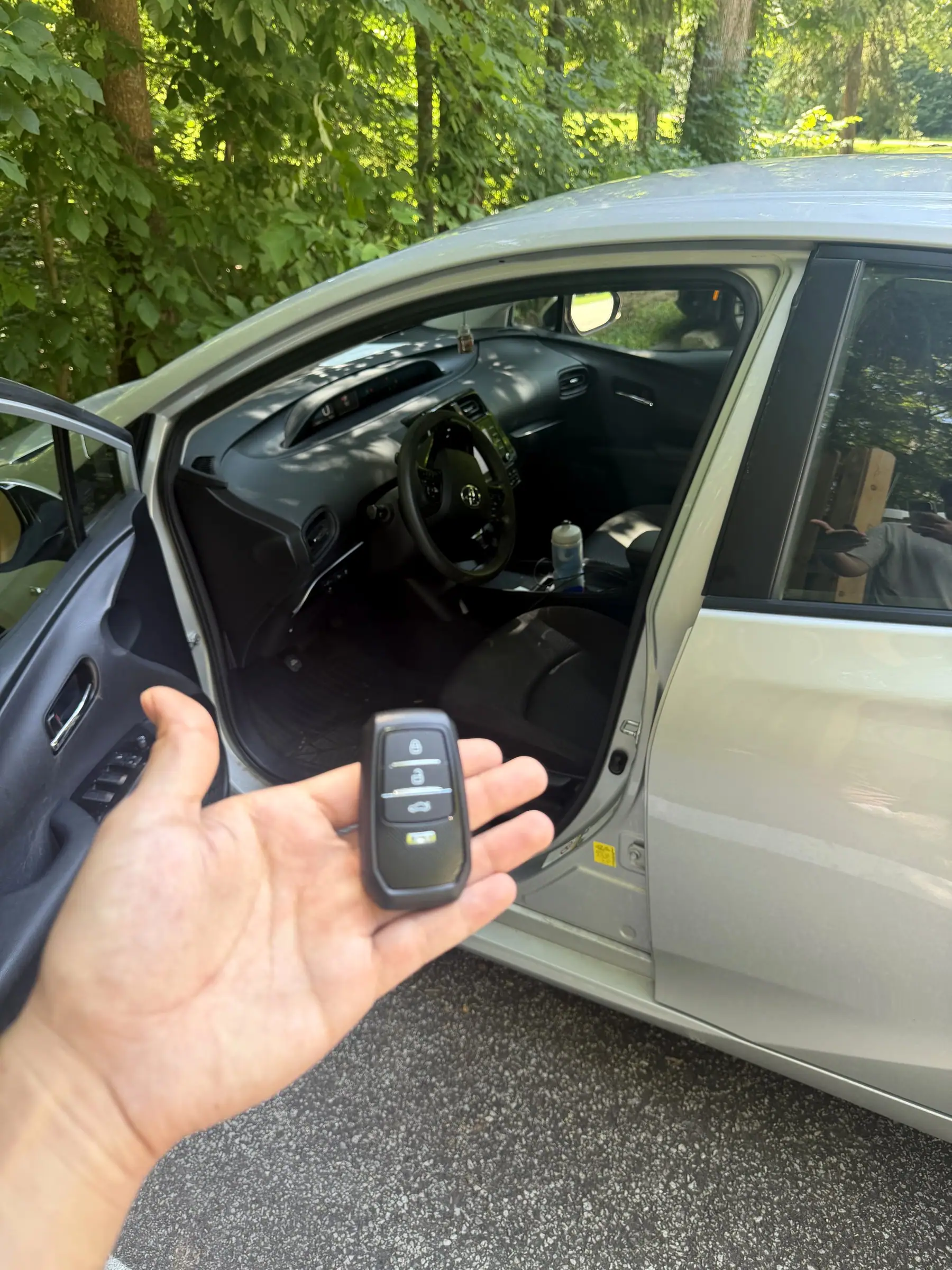
Most fobs that die in January aren’t broken. They are a coin battery that finally gave up in the cold.The Evo Locksmith team
Starting the car with a dead fob
A push-to-start car needs to detect the fob before it will start, and a dead battery means it can't detect it from your pocket. Carmakers build in a backup: a chip inside the fob that works without battery power when it is held close enough to an antenna.
- Backup slot. Some cars have a pocket or slot for the fob, often in the center console, under a cupholder mat or in the armrest. Ford lists where it sits on its models. Put the fob in, press the brake and press start.
- Hold it to the button. On many other cars, including most Toyotas and Hondas, you hold the fob against the start button itself with the brake pressed, and the car beeps and starts.
If neither works, check the owner's manual for your car's exact method. If the car still says "key not detected" with the fob in the right spot, the problem may be the car's battery, the fob's chip or the antenna, rather than the coin battery.
Once the car is running, it will usually keep running even without detecting the fob. Change the battery before you shut it off somewhere you would rather not be stuck.
Changing the fob battery yourself
Changing a fob battery is a five-minute job and usually the right first move.
- Find the battery type. It is printed on the old battery and in the owner's manual. Most fobs use a flat lithium coin cell such as a CR2032 or CR2025. They look alike but aren't the same thickness.
- Open the fob carefully. Most split along a seam with a small flat tool or the fob's own metal key. Go slowly; the plastic clips break easily, especially when cold.
- Note which side faces up before taking the old battery out.
- Fit the new one, snap the case shut and test the buttons.
Consumer Reports points out that a dead battery is often the whole problem and that many stores will swap one while you wait. Buy batteries from a busy store; a coin cell that sat on a shelf for years may already be weak.
If the buttons still don't work with a fresh battery, the fob may need to be paired with the car again, or it may be damaged. That is a job for car key programming.
Frozen door locks and stuck handles
Cleveland winters freeze more than batteries. Water gets into door locks and handles during the day, freezes overnight and locks everything in place. Road salt and slush add grime that keeps a lock from turning even after it thaws.
- Use a lock de-icer made for the job. Keep a can in your house or bag, not in the car.
- Warm the key in your hand, not with a lighter. Heat can damage the chip in the key's head.
- Don't pour hot water on the lock or the window. It refreezes, sometimes worse, and can crack cold glass.
- For a frozen door seal, push firmly into the door first to break the ice, then pull.
- Lubricate once a season with a lubricant made for locks. Household oil gathers grit.
A frozen lock that won't turn after de-icing, or a key that bends when you try, needs a locksmith rather than more force. A key snapped off in a cold lock is a common winter call for any locksmith, and most of them could have been avoided.
Push-button handles and flush door handles on newer cars can freeze too. Ice in the gap around a pop-out handle keeps it from moving even when the car unlocks. Clear the ice with your hand or a soft scraper rather than prying, and use the remote start or the app first if your car has one, so the cabin heat starts working on the door from inside.
When it isn’t the fob at all
A fob that won't start the car on a cold morning isn't always the fob. If the dash lights are dim, the starter clicks or cranks slowly, or the car shows several warnings at once, the car's battery is the likelier culprit.
AAA lists the signs of a weak battery: slow cranking, clicking or grinding when you start, and headlights that dim at idle. It also suggests having a battery tested every year once it reaches three years old. A battery that is fine in September can fail in the first deep freeze.
A weak car battery matters for keys in another way too. Programming a new fob to the car needs a steady supply of power for the whole process, and a battery that dips in the middle can make programming fail. If your car battery has been weak, mention it when you call about a key.
Lake-effect storms make all of this worse: when the National Weather Service in Cleveland is reporting several feet of snow across the snowbelt, nobody wants to find out in a parking lot whether it is the fob or the battery.
Habits that keep a fob working all winter
Most winter fob trouble can be headed off with a few habits.
- Change the battery in the fall. A fresh coin cell in October costs little and gets you through the months when a weak one fails.
- Keep a spare battery at home. Coin cells are small and last for years in a drawer.
- Keep the fob dry. Snow melting in a coat pocket and a fob through the wash are common ways to kill one. If yours gets wet, take the battery out and let it dry fully before trying it.
- Don't leave the fob in the car. Besides the theft risk, a fob left in a car overnight sits at the outside temperature, the coldest it can be.
- Know your backup steps before you need them: where the metal key is, where the door keyhole is, and where your car wants the fob held when the battery is dead.
If your car can be started or unlocked from a phone app, set it up while everything works. Chevrolet’s app and other makers' apps can unlock and start equipped cars, which helps on the day the fob and the cold both let you down.
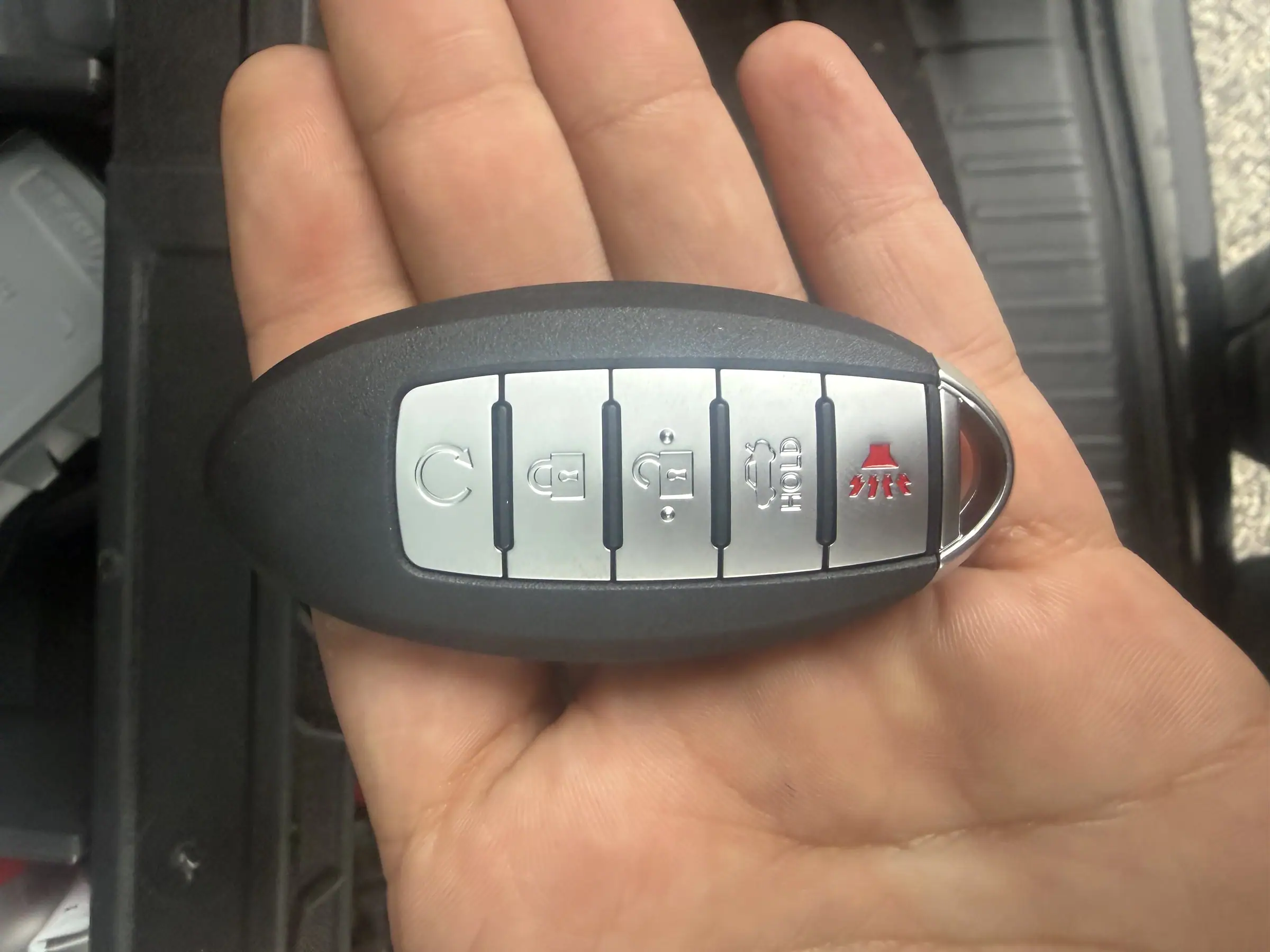
When a fob needs replacing or reprogramming
Sometimes a new battery isn't enough. These are the signs the fob itself needs attention:
- The buttons don't work with a fresh battery, or only work right next to the car.
- The car says "key not detected" even with the fob in the backup slot.
- The fob got wet, went through the wash or cracked open.
- The fob is lost, and you are down to your last one, or none.
A fob that lost its pairing can often be programmed to the car again. A damaged one is replaced with a new fob, programmed on site, with the emergency key cut to your door. If one fob is lost, the lost one can be erased from the car so it no longer starts it.
If you are down to a single fob going into winter, a spare made now is the cheapest fob you will ever buy. Our car key replacement page explains how a spare is made from a working fob, usually in one short visit in your driveway.
Before calling, gather what helps: the year, make and model, every fob you still have for the car, including dead ones, and your ID and registration. A dead fob can still tell a locksmith which part the car needs, and on many cars a working fob makes adding a new one much quicker.
Questions people ask
Why does my key fob stop working in the cold?
Cold lowers a battery’s capacity. A coin battery that was getting weak may not have enough power left on a freezing morning.
How do I start my car if the key fob battery is dead?
Hold the fob against the start button or put it in the backup slot, with the brake pressed. Your owner’s manual shows which your car uses.
What battery does my key fob take?
Most use a flat lithium coin cell such as a CR2032 or CR2025. The type is printed on the old battery and in the owner’s manual.
Do I need to reprogram my fob after changing the battery?
Usually not. If the buttons don’t work with a fresh battery, it may need pairing again or replacing.